
Why Choosing the Right Clothes Drying Rack Matters
Drying laundry seems like a simple household task, but the right equipment can make a real difference to everyday life. A rack that takes up too much floor space can make a small apartment feel crowded. A clothesline that is difficult to install may not work well in a rental property. For families who wash large loads regularly, limited drying space can become a daily frustration.
A suitable clothes drying rack should match the available space, the amount of laundry, and the way people use their homes. Some households need a compact solution for occasional indoor drying, while others require a larger system for outdoor use.
Understanding the differences between drying rack designs is the first step toward making a practical choice.
1 Consider Where You Will Dry Your Clothes
The location of your drying area should guide your decision before you compare individual products.
Indoor drying for apartments and laundry rooms
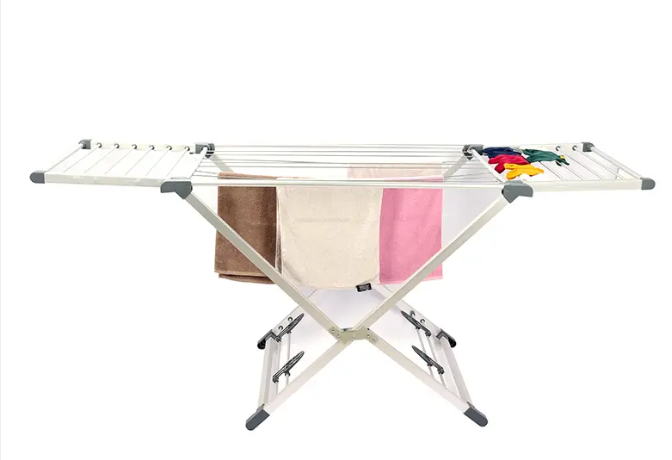
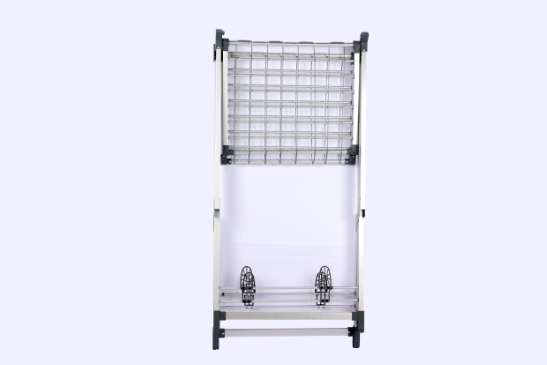
For apartments, bathrooms, and dedicated laundry rooms, a folding clothes drying rack is often a practical option. It can be opened when needed and folded away after the laundry has dried. A freestanding design is especially useful when permanent installation is not possible.
Outdoor drying in gardens and backyards
For homes with a garden or suitable outdoor area, a rotary clothesline can provide more drying space without requiring a large ground-level frame. The rotating design gives users access to different sections of the line.
Wall-mounted drying for limited spaces
A retractable clothesline is worth considering when floor space is limited. It can be extended for drying and pulled back when the laundry is finished. This type of product may suit balconies, bathrooms, and utility rooms.
2 Compare the Main Types of Clothes Drying Racks
| Product Type | Main Advantage | Suitable Applications |
|---|---|---|
| Folding clothes drying rack | Easy to fold and store | Apartments, laundry rooms, temporary indoor drying |
| Rotary clothesline | Multiple drying lines around a central frame | Gardens, backyards, outdoor laundry areas |
| Retractable clothesline | Uses little space when not extended | Balconies, bathrooms, compact utility areas |
| Freestanding indoor clothes airer | Can be moved between locations | Bedrooms, laundry rooms, covered outdoor areas |
3 Check Drying Capacity and Load Limits
One of the most common mistakes when purchasing a drying rack is choosing a product based on its appearance rather than its actual capacity.
Drying capacity and maximum load are two different specifications. Drying capacity describes the available length of line, while load capacity indicates the weight supported.
Key Considerations:
- ✔ How many garments need to be dried in a typical wash?
- ✔ Will the rack hold towels, bedding, or heavier clothing?
- ✔ Is there enough space between garments for air to circulate?
- ✔ Can the frame remain stable when the rack is fully loaded?
4 Choose Materials That Match the Environment
Material selection affects product weight, handling, maintenance, and suitability for different locations.
5 Look for Practical Features That Make Daily Use Easier
Post time: Oct-22-2026